
26 Jun 2024
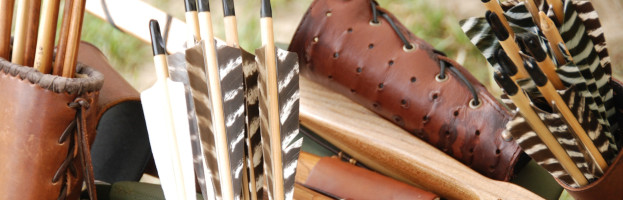
Aiming High... Archery in the UK
As a Country Cover Club Member you are covered for all legal forms of ...
EXPLORING THE HIDDEN WORLD OF POND DIPPING
As part of our Club, you are covered for all sorts of outdoor activities. One of which is pond dipping, which falls under our Bushcraft Activities! This exploratory activity is enjoyed by nature enthusiasts of all ages, offering a fascinating glimpse into the aquatic ecosystems thriving in our own back gardens.
So as April showers pave the way for May flowers, why not take the opportunity to explore the hidden world waiting to be discovered beneath the surface of serene looking ponds?
Interested, but not sure what type of minibeasts you might find in our freshwater habitats? Well, armed with only a net and a keen eye, explorers can uncover an array of fascinating creatures, each playing a crucial role in a ponds delicate ecosystem.
Tadpoles and Frogspawn: April marks the peak of amphibian activity in ponds across the UK. With warmer temperatures signalling the onset of spring, tadpoles can be spotted wriggling among submerged vegetation, while clusters of jelly-like frogspawn cling to branches and rocks. An article from the Natural History Museum, highlights an interesting fact about the early stages of metamorphosis; "A ponds particular environment can have a big impact on the speed at which tadpoles transform. For example, if there is a lot of food or the temperature is cold, tadpoles can delay the process of metamorphosis by several months."
Water Boatmen and Pond Skaters: Skimming across the water's surface, water boatmen and pond skaters are among the most recognisable inhabitants of freshwater ecosystems. The Freshwater Habitats Trust says; "Pond skaters all look very similar to each other but there are actually 10 different species found on ponds and lakes in Britain..." These agile insects use their specialised legs to glide effortlessly, preying on smaller creatures and serving as a vital food source for larger predators.
Damsel and Dragonfly Nymphs: Beneath the surface, hidden from view, lurk damselflies and dragonflies. According to The Woodland Trust, dragonflies "...were some of the first winged insects to evolve, around 300 million years ago." These voracious predators spend their juvenile stages hunting among the submerged vegetation, using extendable jaws to capture prey. Spotting these insects during a pond dipping excursion provides insight into the intricate life cycles of these creatures.
Freshwater Snails and Crustaceans: Among the quieter residents of the pond are freshwater snails and crustaceans, such as water fleas and freshwater shrimps. Water fleas are very common in fresh water, in Britain you can find about 80 different species. According to Discover Wildlife; "Daphnia pulex is the most common and widespread." Despite their diminutive size, these organisms play crucial roles in nutrient cycling and algae control, helping to maintain the balance of the ecosystem.
While pond dipping offers a firsthand encounter with the wonders of aquatic life, it is essential to approach this activity with care and consideration for the habitats you're exploring. As with most nature-based activities, there are some things you can do to help conserve the environment you are exploring.
Avoid excessive disturbance to the habitat and its inhabitants. Use a gentle hand when handling creatures, and return them promptly to the water after observation.
Choose equipment designed specifically for the task, such as fine-mesh nets and observation trays. Avoid using containers or jars for long-term storage of aquatic specimens, as this can harm the creatures and disrupt their natural behaviour.
Observe wildlife from a respectful distance, refraining from disturbing nesting sites or breeding areas. Be mindful of local regulations and protected species, and never remove animals or plants from their natural habitat.
Leave the site as you found it - or even better. Dispose of any litter properly and avoid introducing non-native species to the ecosystem.
Pond dipping in the UK in Spring offers a unique opportunity to connect with nature and explore the hidden treasures of freshwater habitats. From tadpoles to freshwater snails, each creature plays a role in maintaining the delicate balance of the pond ecosystem. Insurance for recreational pond dipping is not a legal requirement, however having it can provide peace of mind and financial protection in the event of unforeseen circumstances. Additionally, if pond dipping is organised through a club, organisation, or educational institution, they may require participants to have insurance coverage as part of their risk management protocols.
As a Country Cover Club Member, you are covered for ponding dipping among many other activities! So if you are not already part of our Club, take a look into joining us - after all, we offer cover for the most comprehensive range of Country Sports in the UK! Not only that; our fully automated online system makes joining C³ a quick process, meaning that in just a few clicks you can rest assured that you will be covered.
Being part of our Club doesn't only mean you are taking peace of mind with you, there is so much more to it! Like the great range of Members' only benefits made available by our carefully selected Insurance Partners and Trade Associates. Join us today and make the most of our comprehensive Country Sports Insurance!